Why experience, reliability, and responsiveness matter more than the lowest price.
Tara D. Lowry, CPSM
Senior Marketing Lead
October 2026
Back in the day, we used to say that 90% of being successful in this business is answering the phone and showing up on time. While those things are important, there’s more to testing and inspection than the ability to perform it. Compliance defines what must be done; reliability determines whether the work actually protects the client. The true value of an inspection or test depends on an entire system surrounding it: qualified people, controlled procedures, calibrated equipment, disciplined review, traceable records, responsive scheduling, and clear communication. If any part of that system is weak or fails, the consequences can ripple – a missed inspection window can delay concrete placement, incomplete field information can make remobilization necessary, and a report that can’t be retrieved when needed can create unnecessary risks, resulting in an audit finding or fine.
Compliance Is A Starting Point
Codes, standards, specifications, and regulations serve as the basis for many tests and inspections, defining the method, frequency, acceptance criteria, personnel qualifications, equipment requirements, and reporting expectations. This creates a common technical baseline to help protect people and property and to ensure quality.
A compliant test, however, does not automatically produce a reliable outcome. It could be performed outside the proper timeframe, applied incorrectly, documented insufficiently, or not properly reviewed. Even a technically valid result might have limited value if the report does not clearly identify the location, procedures, equipment used, or other vital information. Consistency and repeatability are critical to an effective inspection program but cannot be achieved without regular use of established procedures.
- Reliable outcomes result from work that is:
- Performed by personnel qualified for the applicable testing/inspection method and the specific assignment
- Completed using current procedures and properly calibrated and maintained equipment
- Coordinated with the facility’s construction, production, or shutdown schedule
- Reviewed for technical completeness and consistency
- Documented so that the result can be understood, acted upon, and retrieved later
When the client can trust the result and use it with confidence, the result is reliable.
What Can Make or Break an Inspection Experience
Some of the most common issues when looking for an inspection firm are lack of experience and lack of response. Responsive firms not only call you back, they have your back – before, during, and after the inspection is complete.
Some firms use contract employees as inspectors, especially for projects with a very specialized need. Some firms use their own employees, which can provide an advantage. Being part of a team means that they have access to a wide range of knowledge, and relationships with the people they work with and work for. The same inspectors may work multiple times for the same client or at the same jobsite. This allows the work to be performed more quickly and efficiently – fewer introductions are needed, the technician knows who to seek out for clarifications or problems and is familiar with prior or existing situations or issues, and the site representatives don’t have to answer the same questions from different inspectors every day. The paperwork burden may also be reduced.
The level of experience is important, too. We are seeing a wave of the most experienced inspectors retiring. They are not being replaced by mid-level inspectors, though – an experience gap is forming where there are more entry-level inspectors than ever before, and labor rates are going up across the board. A shortage of senior-level inspectors means that the advantage of pairing someone new to the industry with someone experienced is disappearing, and along with it the chance to pass on knowledge.
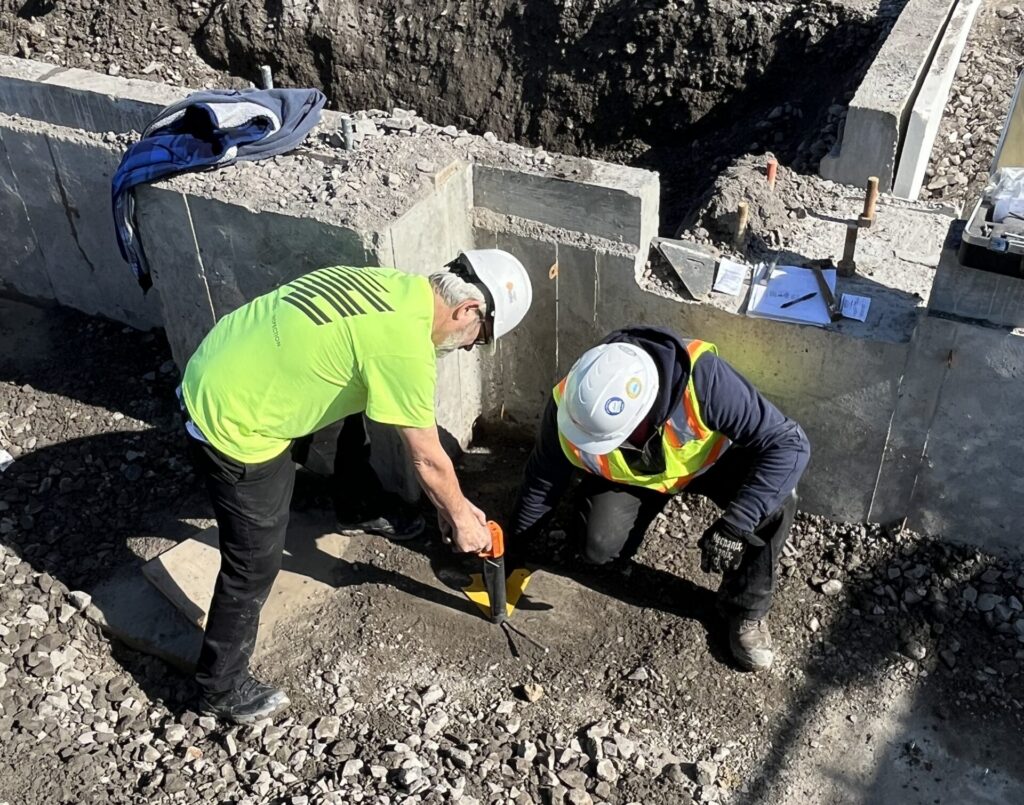
A seasoned inspector might catch a small detail simply because they have done more inspections and seen more situations. For example, an experienced inspector noticed damaged threads on an anchor bolt, leading them to verify that the damaged portion would not interfere with the bolt’s structural integrity. Had that flaw gone unnoticed, it could have left the structure susceptible to further damage or failure, leading to delays during the subsequent construction phase.
An experienced, educated staff comes with a veritable alphabet soup of certifications, and the ability to perform multiple inspections in a single visit. Because they know what conditions they may encounter in a given situation, they can bring along the right equipment just in case. This results in a savings of time and money, since the inspection can be completed in one trip instead of several. Their experience helps them to find the problem and define its extent accurately, preventing unnecessary repairs, rework, and additional site visits.
When the inspector is also the person writing the report, there is no disconnect from processing second-hand information. They inspect with the report in mind, knowing what information will be needed and how to best present it. Utilizing inspectors with certifications in multiple areas gives them the opportunity to spot related conditions that may have gone unnoticed. They know where failures are most likely, which inspection method is most appropriate for the materials and conditions, and when a finding needs further testing. The hourly rate for an experienced, multi-credentialed inspector might be higher, but it’s important to evaluate the whole package.
An experienced inspector understands the needs of the customer. For example, when the insulation is removed from a piping system tie-in during an outage and corrosion is identified, the owner needs to know whether it is still safe to operate. The inspector is able to be flexible, shift focus, and make an evaluation in real time to keep the outage on schedule and give the owner peace of mind.
With experience comes the ability to use a flexible workflow, accounting for unexpected conditions or scheduled changes. Having sufficient staff also works to solve schedule challenges. This behind-the-scenes process is just as important as the outcome.
Without the required report, a client may be unable to demonstrate compliance, complete an audit, or close out a job. Responsive firms help that report get completed faster. When you need an inspection report quickly to satisfy an audit, a reliable inspection firm should be able to locate and send the report within a reasonable timeframe.
Hidden Costs of Unreliable Testing
The costs of poorly executed testing may not be immediately visible, but they can affect the facility or project’s budget in many ways:
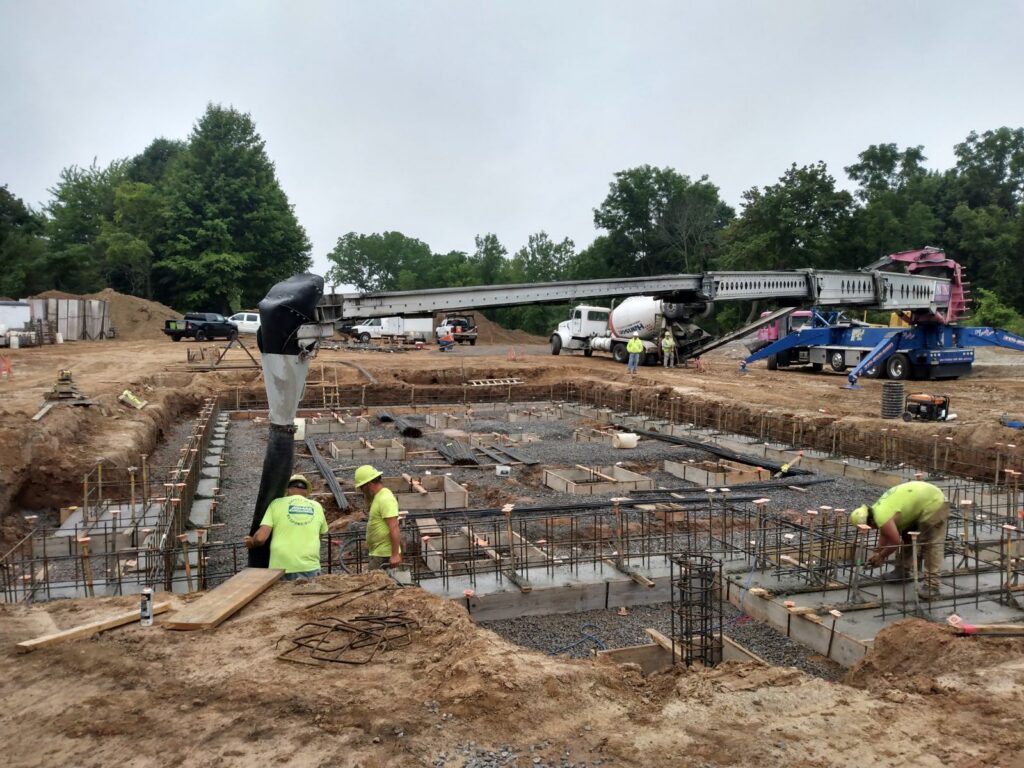
Delays in construction or production when qualified personnel are not available or arrive outside the required window of time
Retesting and remobilization because the initial work was incomplete, poorly located, or inadequately documented
- Rework needed because improper or incomplete testing results in erroneous placement of materials
- Unplanned equipment downtime when findings are communicated slowly or without a clear escalation path
- Audit and closeout difficulties when reports, calibration records, or personnel qualifications are not readily available
- Decisions based on incomplete field information because observations were not captured consistently or reviewed in context
- Friction with subconsultants or contractors when work authorizations, scope changes, pricing, or invoices don’t align
- Structural failure because of improper, incomplete, or inaccurate testing
It’s important to look beyond the hourly or unit rate when looking for an inspection or testing provider – proper evaluation can help avoid preventable issues down the road.
The Right People In, The Right Seats
Every aspect of business thrives when the job fits the person and vice versa. Above and beyond proper credentials, effective field work also requires method-specific experience, familiarity with real operating conditions, sound judgement, and the ability to escalate out-of-range results when necessary.
A reliable provider evaluates credentials, experience, availability, familiarity with that facility or client, complexity of the assignment, and site conditions when assigning an inspector or technician. To support this and the client they are working for, the provider should document qualifications and training records, periodic performance verifications, and experience. This documentation can help to establish the competency of the inspector if necessary.
Personnel need to know when to pause, preserve conditions, consult a technical authority, notify the client, or recommend an alternate test method. This knowledge comes from experience and from mentoring by more experienced inspectors. There should be a clear path of escalation so that the right people are notified expeditiously, and inspectors must be empowered to take that path. Delays here could result in serious consequences, both physical and financial.
Quality Systems Produce Defensible Results
A quality system converts individual expertise into repeatable organizational performance.
A quality system works to convert individual expertise into repeatable organizational performance. It establishes how work is planned, authorized, performed, reviewed, recorded, corrected, and retained. This disciplined process helps ensure that collective knowledge benefits all parties, rather than the result depending on which technician happens to be assigned. A mature quality program addresses:
- Personnel qualification, including required training, experience, examinations, authorizations, and controls
- Written procedures to ensure that personnel use approved, current methods appropriate to the situation and application
- Identification of equipment, maintenance of calibration status, and preventing use when controls are not satisfied
- Technical review of reports for completeness, consistency, acceptance criteria, and appropriate disposition
- Document control and traceability to ensure that all pertinent information is available
- Identifying the cause, evaluating the impact, documenting the resolution, and preventing recurrence of any issues requiring correction
In examining these factors, a knowledgeable third party should be able to determine what was examined, how it was examined, who performed and reviewed the work, what equipment and criteria were used, what was found, and how the finding was resolved – this makes the result defensible.
Using Technology To Improve Field Execution
Technology can strengthen reliability when it is used to supplement the work rather than treated as a substitute for expertise. Modern instruments may improve sensitivity, repeatability, image quality, or access to data. Digital field tools can save time (and money) while reducing the need for transcription from paper copies, transferring information for review more quickly, helping to standardize required entries, and providing the ability to attach photos or supporting information to the location or test. Scheduling systems can help to coordinate personnel and assignments to reduce travel time, and secure digital storage allows for quick reference of previous test results or other information.
Technology can help to streamline the process and make it more efficient, but it cannot replace professional judgement. A table cannot determine whether a field condition is representative of the whole site, and software cannot compensate for poor technique or unsuitable instrument calibration. A good system promotes efficient, consistent work while leaving the technical interpretation to qualified people.
Responsiveness Is Risk Management
Remember how we said that back in the day, 90% of being successful in this business was answering the phone and showing up on time? Despite advances in technology, the principle still applies. Concrete placement may move because of the weather, or weld completion may not happen until the next shift. A result may reveal a condition that requires an immediate operational decision. Responsiveness reduces the uncertainty around these moments. It includes promptly acknowledging a request, confirming what information is needed, assigning qualified personnel, communicating realistic schedules and reporting times, and escalating significant findings if necessary.
Showing up on time protects the client’s sequence of work and demonstrates that the provider understands its role in this larger operation. When an expectation cannot be met, early and frank communication gives the client options that silence or delay does not. The same standard applies after the field visit – if the report is not able to be delivered within the expected timeframe, advance notice can help the client accommodate the delay. On the other side of the same coin, a responsive provider will give their all to make sure that report is delivered when expected, accounting for potential delays in their initial schedule. Responsiveness isn’t just customer service – it is a control that helps prevent delay, risk exposure, and uninformed decisions.
An experienced provider knows how to be creative with their scheduling, which inspectors complement each other in experience and certifications, and how to balance workloads and streamline travel time, ultimately saving their clients time and money.
Evidence Can Turn Claims Into Confidence
A quality provider will be ready to support its claims with evidence. For example, a client was having ongoing issues with a subcontractor who was doing shoddy work which would likely result in problems down the road. The client’s testing and inspection partner was able to document the results of the testing they requested, establishing a pattern of sub-par work which could be used to hold the contractor responsible. Identifying the cause of the problem and being able to correct it sooner rather than later can lead to significant savings in time, labor, and materials down the road, not to mention avoiding a potentially hazardous situation.
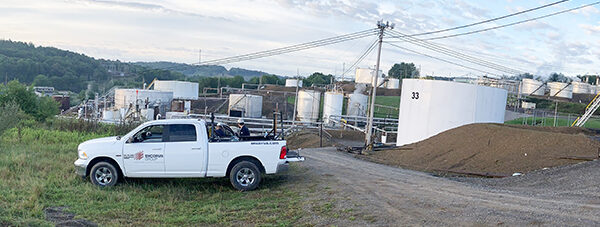
When a customer is being audited for compliance, either internally or externally, proper documentation that inspections or testing has been completed is critical to providing the evidence that they are maintaining regulatory compliance. This could include special inspections performed during construction, inspection of a chemical bulk storage tank, new concrete achieving the desired compressive strength, or a new piping system undergoing the necessary nondestructive testing.
Reliability Is Built Before The Test Begins
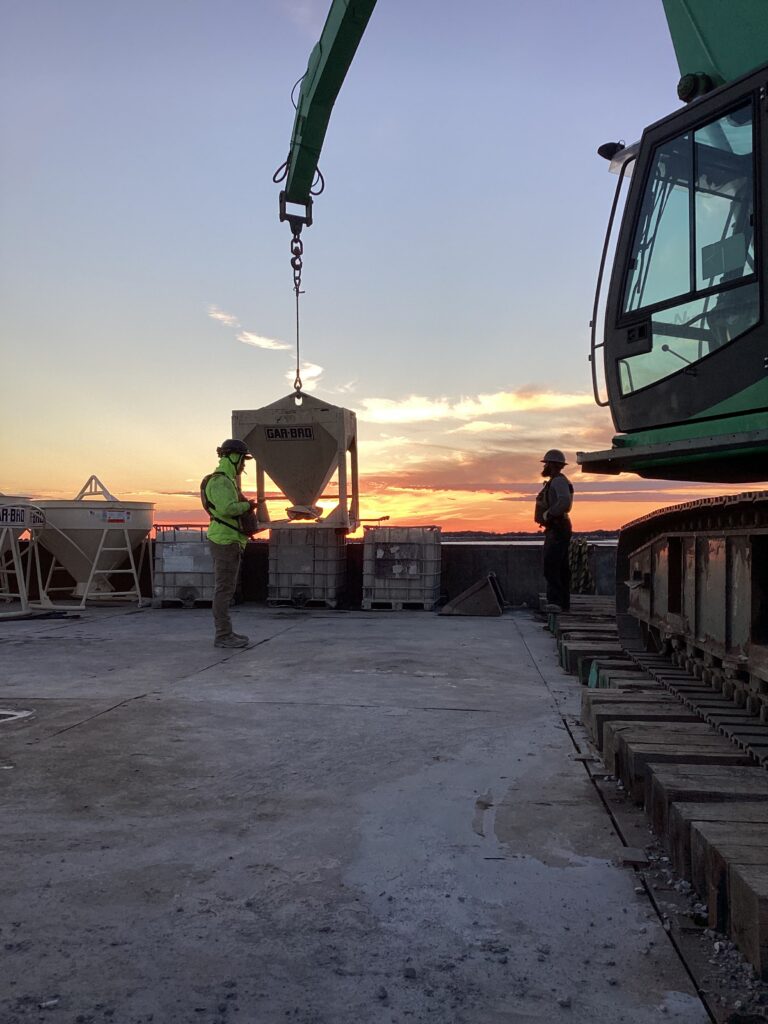
Reliable testing and inspection starts well before a technician arrives at the job site. The provider must understand the assignment, select qualified personnel, control the procedure and equipment, coordinate the schedule, capture the right information, review the result, communicate what matters, and retain the record. This is answering the phone and showing up on time – availability when the work demands attention, and accountability when timing matters. These commitments are strengthened by the use of technology.
Compliance establishes the minimum. A reliable provider builds their discipline around that minimum, so that the client receives more than a completed checklist: a timely, technically-sound, traceable result that can support a decision with confidence.
The Right Testing and Inspection Firm Is An Asset to YOU
A testing and inspection team can become your partner. Building a relationship brings the advantages we’ve discussed – familiarity with the site and personnel, reduced costs, le
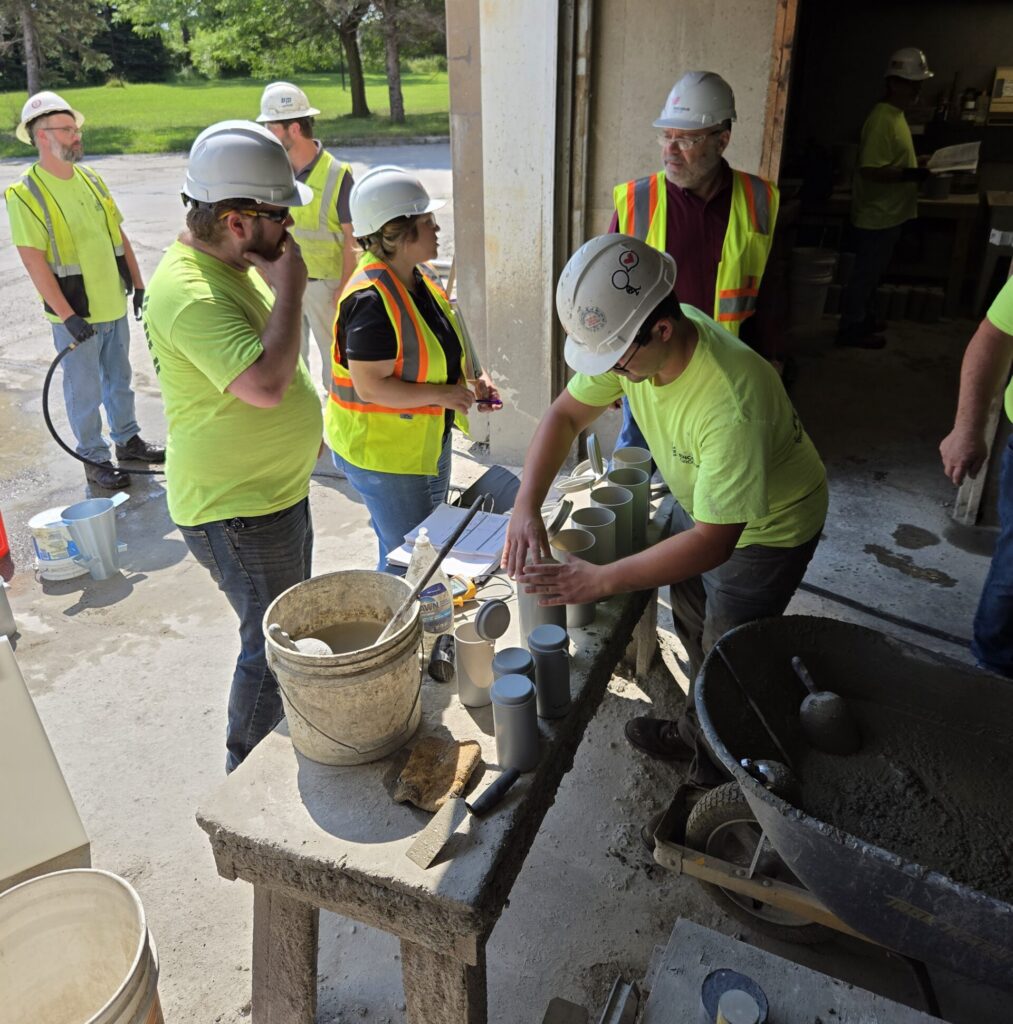
ss paperwork, and the confidence that you will get a reliable result and responsive service. This takes time and effort from both parties, though. A comprehensive procurement process looks beyond rates. Asking these questions will help you determine whether a provider will meet your needs:
Qualifications
- Are personnel appropriately qualified for the required method? Can resumes and certifications be examined and verified?
- How are the qualifications verified, maintained, and matched to assignments?
- Is their lab certified in relevant areas?
- Has their testing equipment been calibrated and verified?
Execution
- What quality systems are in place? Who reviews reports before they are issued?
- How are calibration, maintenance, identification, and out-of-service-controls managed?
- How are observations, photographs, environmental conditions, and acceptance criteria captured?
Reporting
- Can reports, qualifications, procedures, and calibration records be accessed easily?
Response
- How are urgent requests, schedule changes, preliminary findings, and after-hours requests handled?
- What happens when a nonconforming, ambiguous, or unexpected condition is found?
Commercial Controls
- Are scope, pricing, work authorizations, changes, and invoicing procedures clear and consistent?
- Is the firm’s current and projected workload and capacity compatible with your schedule?
About Encorus Group
Encorus Group is a multidisciplinary, employee-owned engineering, testing, and inspection firm founded in 1996 with offices across New York State. Its inspection and testing capabilities include civil materials testing, nondestructive examination, mechanical integrity services, and related technical support. These services are strengthened by access to complementary engineering and architectural design and regulated building materials expertise within the same organization.
What is your company’s biggest inspection challenge? To discuss an inspection or testing need, contact Keith Taylor at Encorus Group by email at ktaylor@encorus.com or by phone at 716.592.3980, ext. 143.