What Do Concrete and Soil Tests Tell Us
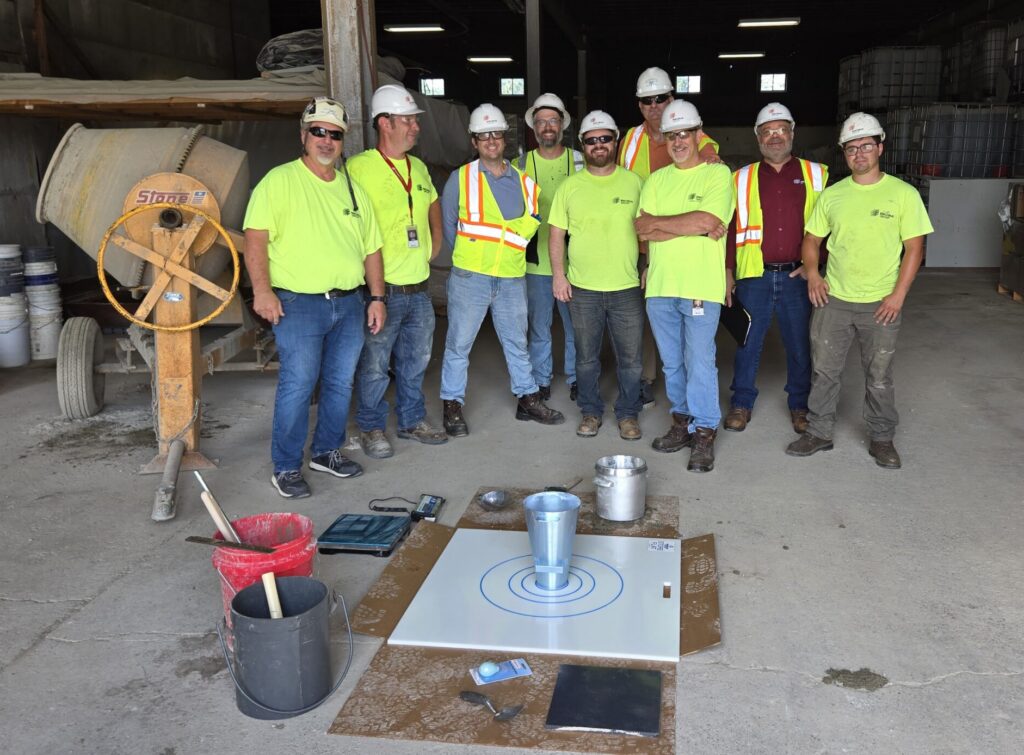
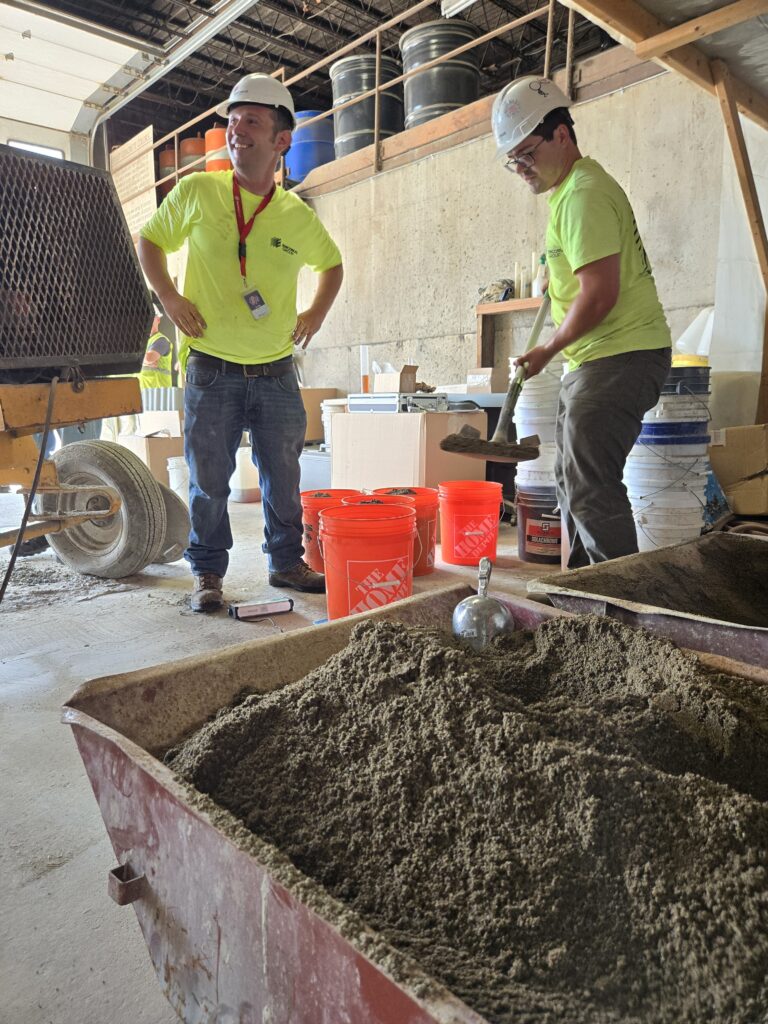
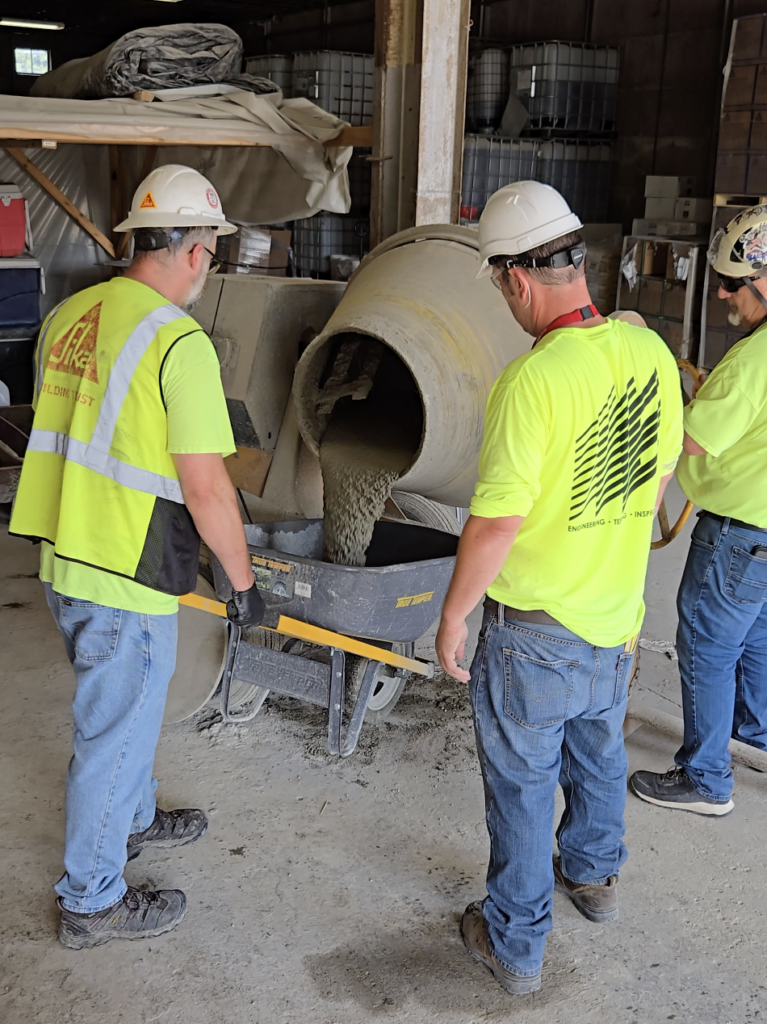
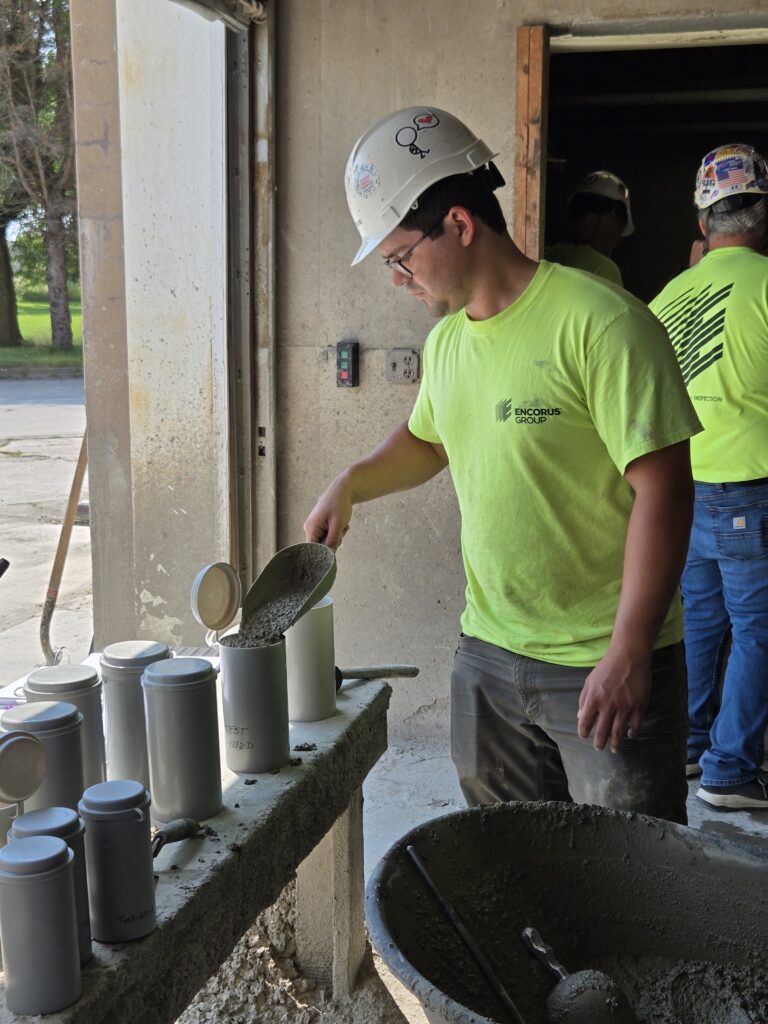
Encorus Group’s Civil Testing team recently supported a client in the field by performing a series of concrete and soil tests to evaluate material properties and provide data for project quality control.
Each test provides specific information about how concrete performs in both its fresh and hardened states, as well as how surrounding soil conditions may affect materials. Together, these tests give the project team data that can be used to evaluate material quality, verify specifications, and better understand long-term performance.
Slump Flow of Self-Consolidating Concrete (SCC)
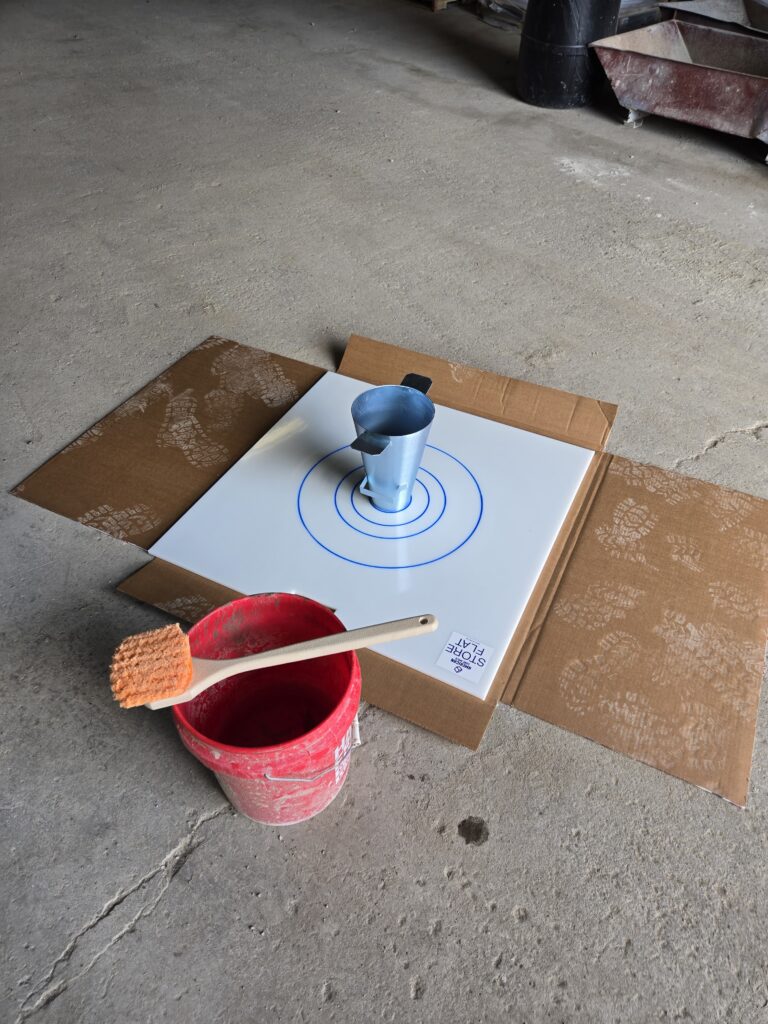
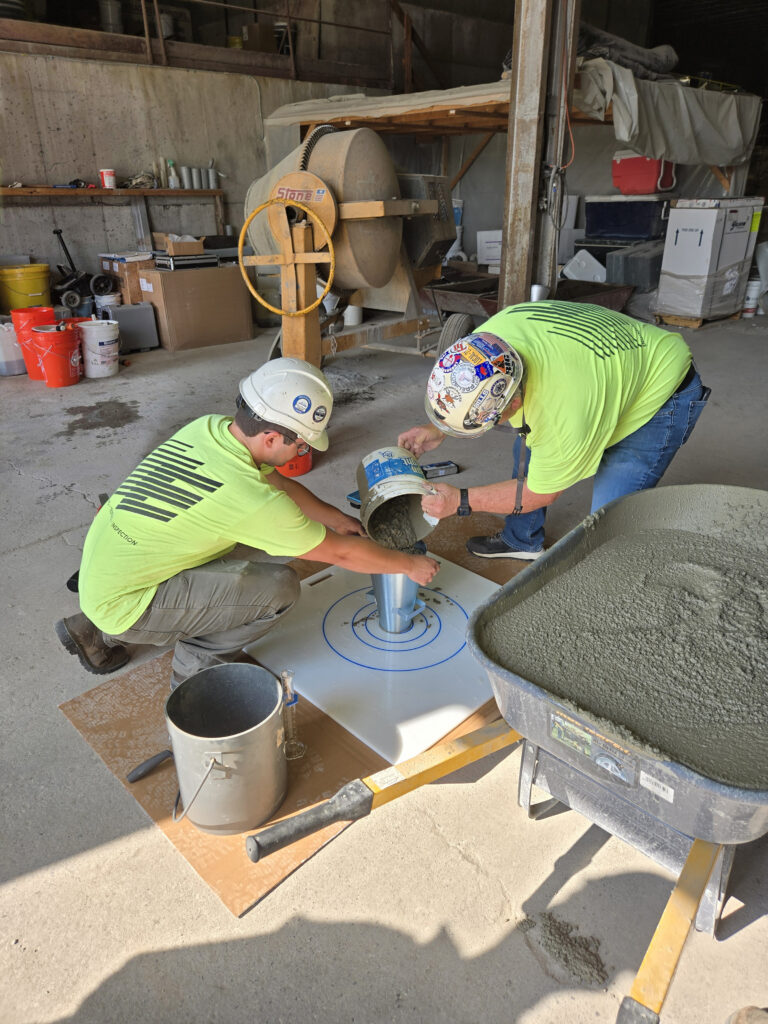
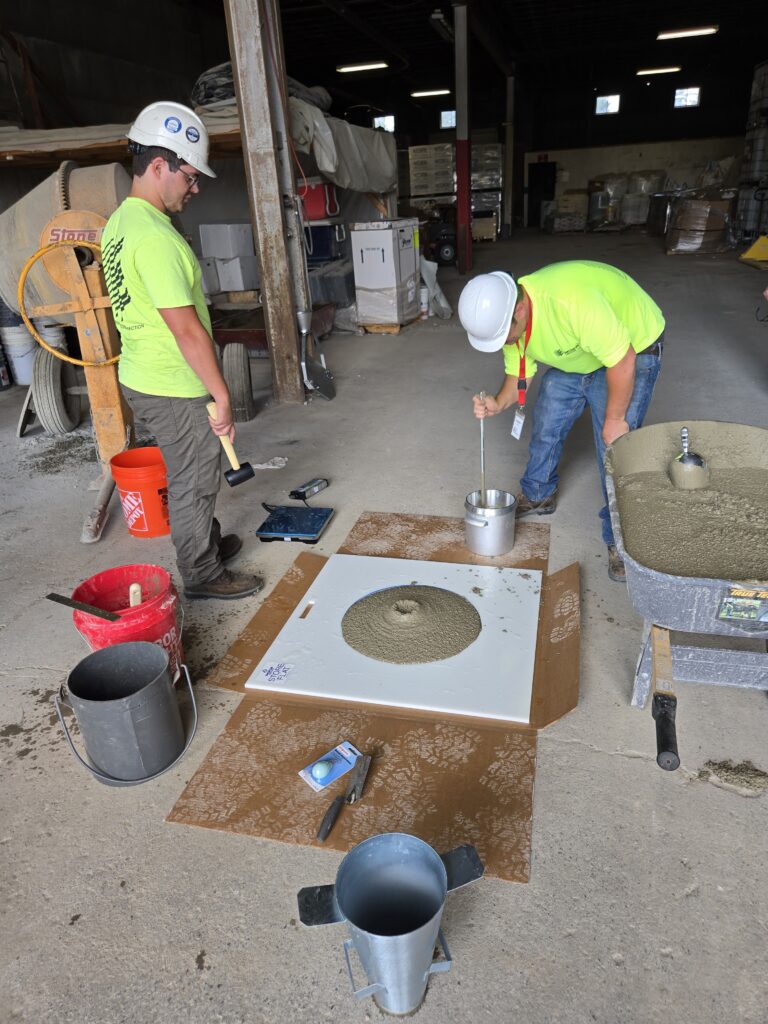
The team performed slump flow testing to evaluate the consistency and flowability of fresh self-consolidating concrete (SCC). SCC is designed to flow around reinforcement and fill forms without the need for mechanical vibration.
The test measures how far the concrete spreads and provides an indication of its flow potential and relative viscosity. Visual observations can also help identify whether the mixture is stable and resistant to segregation. This information helps verify that the concrete is meeting the expected characteristics during placement.
Soil pH Testing for Corrosion Evaluation
Soil pH testing was performed to evaluate the conditions of the soil environment and its potential effect on metal corrosion. Soil pH can be used alongside soil resistivity measurements to provide information about the corrosivity of the soil.
Because different metals respond differently to their surrounding environment, soil pH data can help identify conditions that may increase corrosion potential and provide additional information for evaluating buried metal components.
Density, Absorption & Voids in Hardened Concrete
The team also evaluated hardened concrete for density, water absorption, and permeable voids in accordance with ASTM C642.
These measurements provide information about the physical characteristics of the hardened concrete and can be used to evaluate material quality and conformance with project specifications. The results can also identify differences in concrete properties between various locations within a project.
Time of Setting of Concrete Mixtures by Penetration
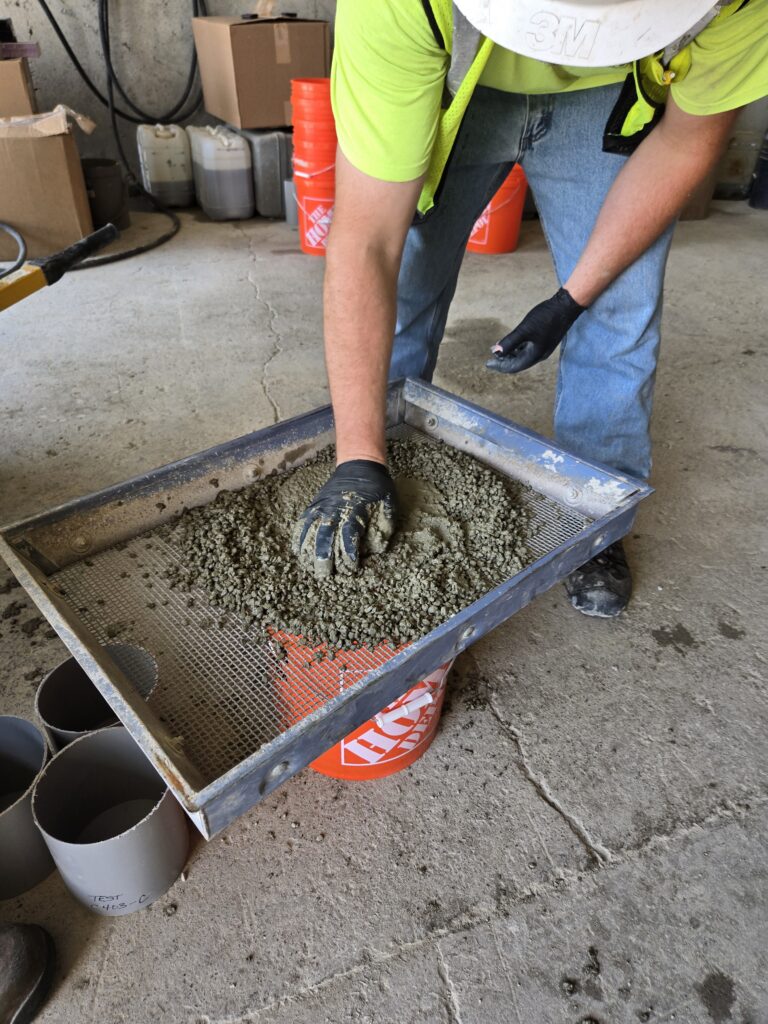
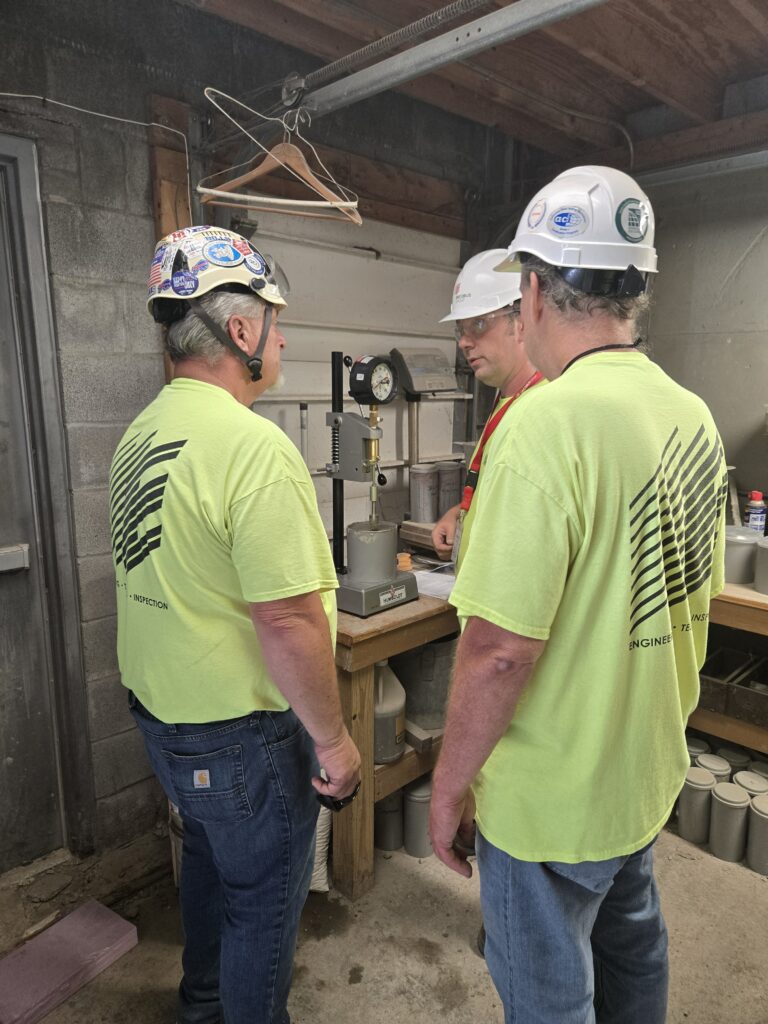
Time of setting testing was performed to determine how the concrete transitions from a workable material to a hardened state. The test measures the penetration resistance of mortar obtained from the concrete mixture, with specific resistance values used to establish setting times.
Setting time can be affected by factors such as water content, cementitious materials, and admixtures. Testing provides information that can be used to evaluate the effects of these variables and verify that the concrete is setting within the expected timeframe.
Length Change of Hardened Hydraulic-Cement Mortar & Concrete
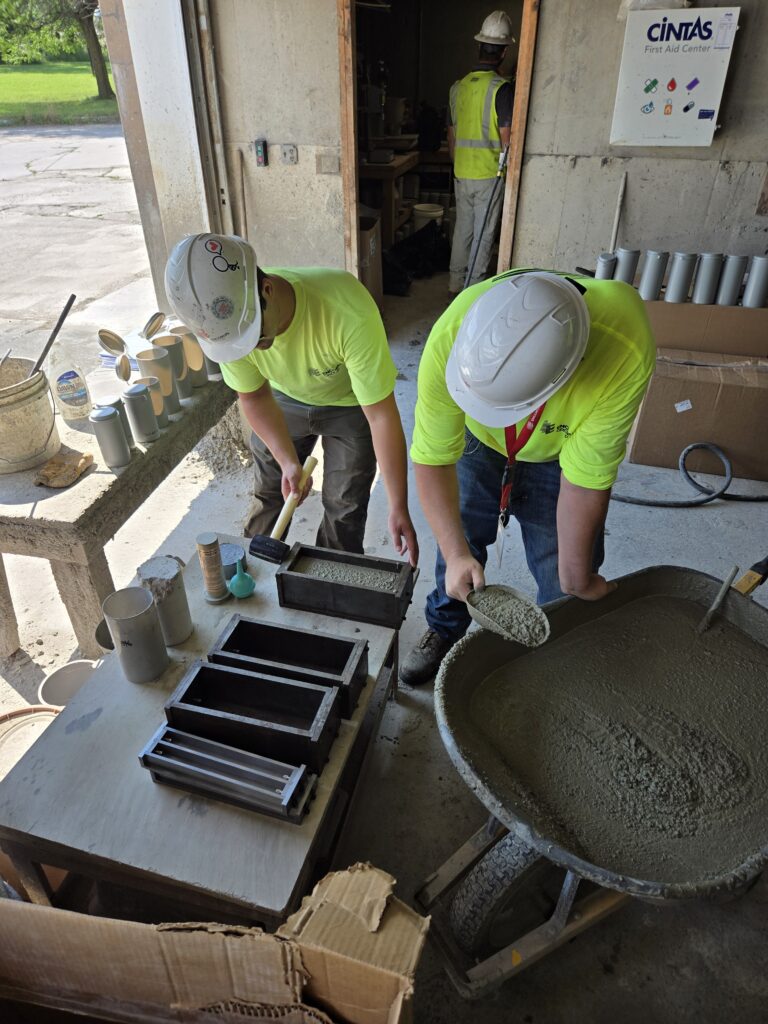
Length change testing measures dimensional changes that occur in hardened mortar and concrete specimens when exposed to controlled moisture and temperature conditions.
The test helps evaluate the potential for expansion or contraction caused by factors other than externally applied forces or temperature changes. The results can be used to compare different mixtures and assess their dimensional stability.
Why These Tests Matter
Concrete and soil testing plays an important role in evaluating the quality, performance, durability, and long-term behavior of construction materials. At Encorus Group, specialized testing methods provide valuable information about concrete in both its fresh and hardened states, as well as the soil environments surrounding structures and infrastructure. From evaluating the flow and setting characteristics of fresh concrete to measuring the physical properties, dimensional stability, and surrounding soil conditions, these tests provide project teams with data that can be used to evaluate material quality, verify specifications, and better understand potential long-term performance and reliability.